

Best Affordable Home Elevators 2025: Cost, Benefits, Safety & Installation Guide
Technology’s top aim is to solve problems—and home elevators are no exception. In this 2025 guide, discover how affordable elevators improve safety, comfort, mobility, and home value while offering modern smart features for families of all ages.
Quick Answer
The best affordable home elevators in 2025 improve safety, comfort, and accessibility for families. Prices range from $2,000 to $60,000 depending on size, features, and installation. They are life-changing for elderly homeowners, people with mobility issues, and families who want added convenience and long-term home value.
Why Stairs Are a Daily Problem
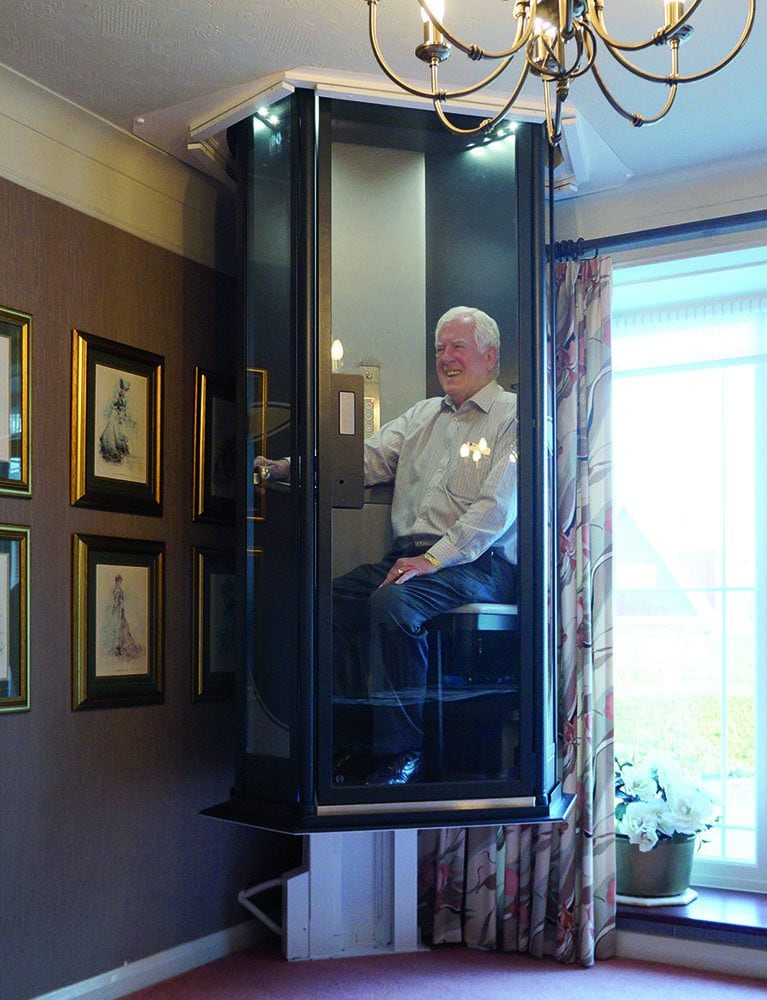
For residents of multi-level homes, stairs are more than just an inconvenience. They are a barrier for children, a hazard for the elderly, and a daily struggle for people with temporary or permanent mobility issues. Falls on stairs are among the leading causes of home accidents worldwide. Installing a residential elevator solves this problem elegantly, offering independence and dignity for family members of all ages.

Benefits of Affordable Home Elevators
The advantages go beyond convenience. Here’s what families gain:
- Mobility: Seniors and people with disabilities move freely without depending on others.
- Safety: Reduces risk of falls, especially carrying heavy items.
- Value: Increases home resale value by 10–20% in high-demand markets.
- Space-efficient: Modern elevators require minimal construction and fit small footprints.
- Quiet operation: Smooth, noise-free systems ensure comfort.

Who Needs a Home Elevator?
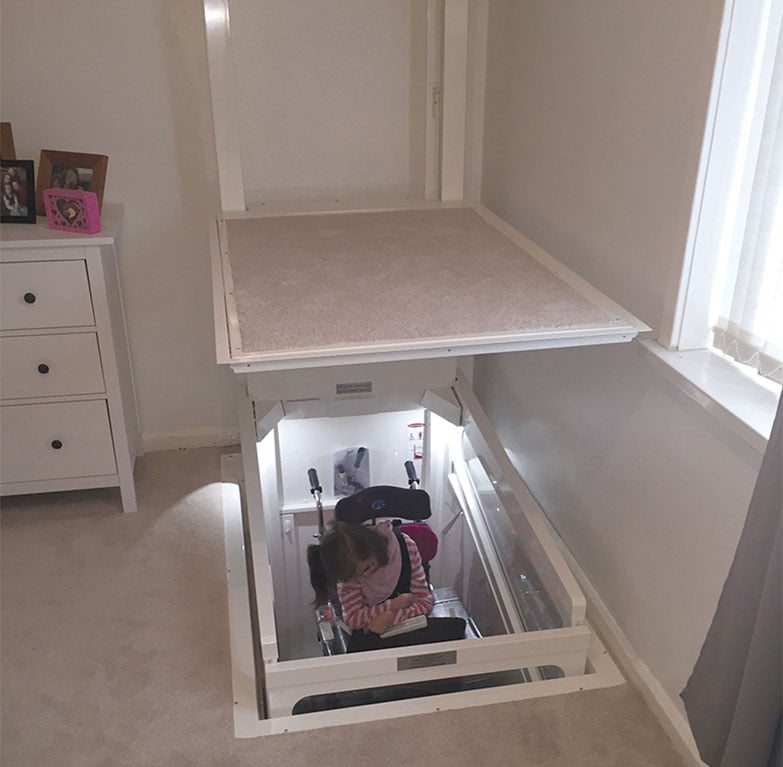
A home elevator serves many people:
- Elderly homeowners wanting independence.
- Families with children or babies.
- People with chronic illness or injury recovery.
- Pregnant women who find stairs risky.
- Families moving heavy goods, groceries, or furniture.
Safety Features for Families
Modern residential elevators include features like auto-stop sensors, child locks, and smooth braking systems. These prevent accidents and guarantee that elevators are safe for everyone, from toddlers to seniors.
Cost & ROI in 2025
Costs vary between $2,000–$60,000 depending on levels, features, and customization. But unlike luxury-only investments, the ROI is practical: safety, independence, and higher resale value. Insurance and medical savings (fewer injuries) also contribute to the true return on investment.
How to Hire a Company
Before hiring, check:
- How quickly the company responds to service calls.
- What safety certifications the equipment carries.
- Customer reviews and installation timeframes.
- Warranty coverage and available spare parts.
Top companies in 2025 include: TerryLifts, Otis, Mitsubishi, Schindler, Kone, and Thyssenkrupp.

Comparison With Other Mobility Solutions
| Solution | Cost Range | Pros | Cons |
|---|---|---|---|
| Stair Lifts | $2,000–$10,000 | Cheaper, easy install | Single-user, less elegant |
| Home Elevators | $2,000–$60,000 | Multi-user, safe, adds value | Higher upfront cost |
| Ramps | $500–$5,000 | Simple, outdoor-friendly | Space-consuming, limited indoors |
Pros & Cons of Home Elevators
- Pros
- Improved safety & independence
- Increases home value
- Quiet & stylish design
- Accessible for all ages
- Cons
- Upfront installation cost
- Requires regular servicing
- Permits & inspection needed
FAQs
How much does a home elevator cost in 2025?
Between $2,000 and $60,000 depending on size, levels, and features. Installation and permits add to cost.
Are home elevators safe for children and elderly?
Yes, modern elevators include child locks, auto-stop sensors, and smooth braking for safety.
Do home elevators increase property value?
Yes, they can raise home value by 10–20% and make homes more attractive to buyers seeking accessibility.