
Asnaghi Furniture Price Catalog (PDF): The Ultimate Guide

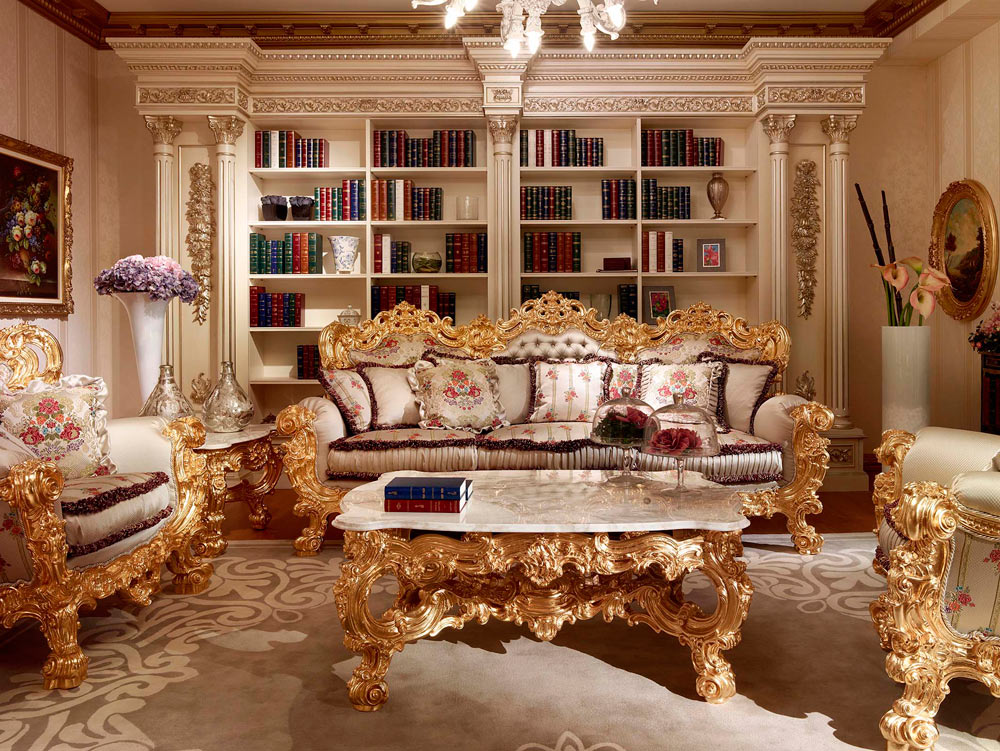
Few names carry the weight of Asnaghi in classic Italian furniture. For over a century, the atelier has translated palace-grade craftsmanship into living rooms, dining suites, and bedrooms that feel both ceremonial and intimate. If you’re considering a statement investment, the Asnaghi Furniture Price Catalog (PDF) is your best starting point: it shows configurations, finishes, and current list pricing so you can plan with clarity before stepping into a showroom.
This guide walks you through the PDF like a personal consultant—what’s inside, how to read it fast, how pricing usually works, where customization changes numbers, and when to time your order. I’ll also share pairing palettes, room-by-room budgets, and maintenance tips so your pieces photograph beautifully for years.
Why Asnaghi Matters
Asnaghi sits in that rare space where cabinetmaking becomes art. The workshop’s vocabulary—acanthus leaves, egg-and-dart, rosettes, and ribbon swags—is classic, but the execution feels current thanks to tailored silhouettes, precision carving, and finishes that glow rather than glare. The brand’s promise is simple: long-lived furniture that holds its value and turns rooms into stages for daily life.
What’s Inside the Price Catalog (PDF)
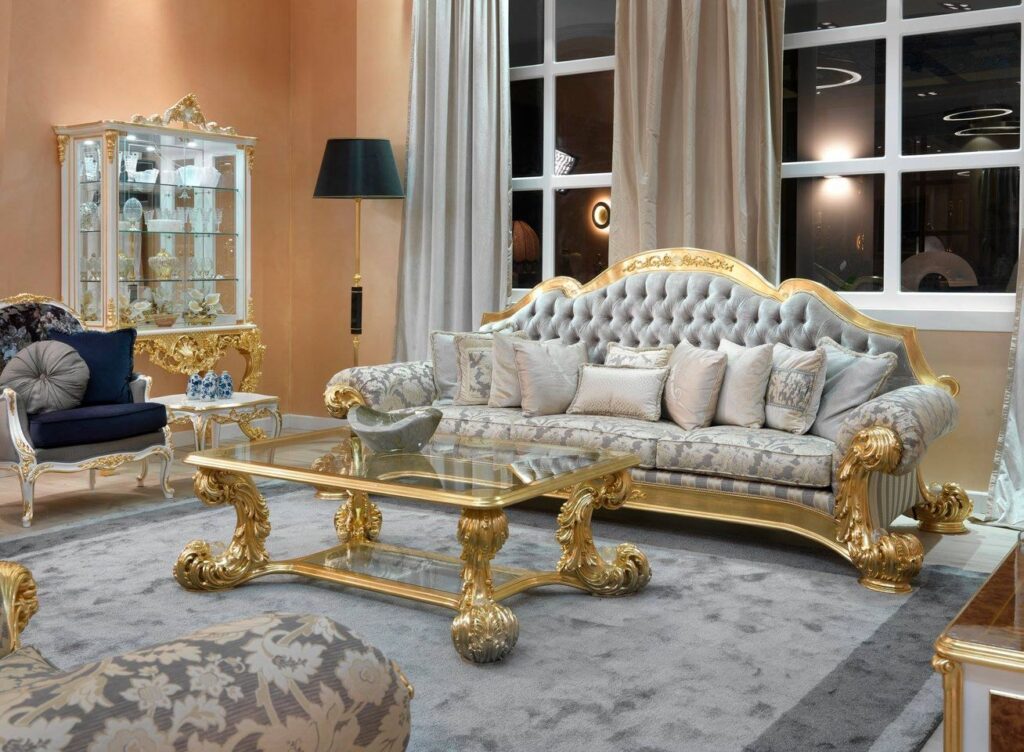
The PDF is organized by category—Sofas, Chairs, Tables, Beds, and Cabinets—with a header page for each. Every product page typically includes:
- Model code and clear thumbnail renders or photography.
- Dimensions (width × depth × height) and seat/sleep heights where relevant.
- Standard finishes (e.g., walnut, patinated gold, silver leaf, lacquer tones).
- Upholstery options: fabric/leather grades and COM allowances.
- Base price for the standard configuration; deltas for alt finishes or sizes.
- Notes on carving, inlays, marquetry, or special techniques.
Some pages group ensembles—sofa + armchairs + coffee table—showing “configured” pricing next to individual line items. That makes it easier to build a cohesive room while staying transparent about each component.
How to Read the Catalog Like a Pro
- Start with silhouettes. Mark the frames that fit your room’s scale. Don’t worry about fabrics yet.
- Circle a finish family. Walnut + antique gold? White lacquer + silver leaf? Picking one family keeps rooms calm.
- Check dimensions vs. pathways. Leave 90–110 cm between coffee table and sofa; 60 cm beside dining chairs.
- Scan the upholstery grades. Grade jumps matter more than people think; a higher grade can double the impact.
- Note the code letters. “L” may indicate leather, “S” for special size, “GLD” for gilded finish. Codes change pricing.
- Build a “core set.” For each room: 1 hero piece, 2 supporting, 1 accent. The catalog makes combos obvious.
Pricing 101: What Moves the Number
With luxury furniture, the price reflects time, technique, and materials—not just size. Expect movement based on:
- Finish complexity: hand-applied leaf and high-gloss lacquer command premiums.
- Carving hours: deeper, denser carving increases labor and cost.
- Upholstery grade: natural fibers and aniline leathers price above synthetics.
- Customization: non-standard sizes, embroidery, or marquetry = bespoke pricing.
- Logistics: crating, white-glove delivery, and international duties can be significant.
The catalog’s list prices are a transparent baseline. Final quotations from authorized dealers reflect your exact choices and geography. For timely availability, aim to finalize orders ahead of major holidays and design weeks.

Room-by-Room Planning & Sample Budgets
Living Room (example): 3-seat sofa + 2 armchairs + coffee table + 2 side tables + console mirror.
- Classic palette: walnut with antique gold leaf, champagne fabric.
- Why it works: calm contrast; frames read like sculpture; textiles soften the formality.
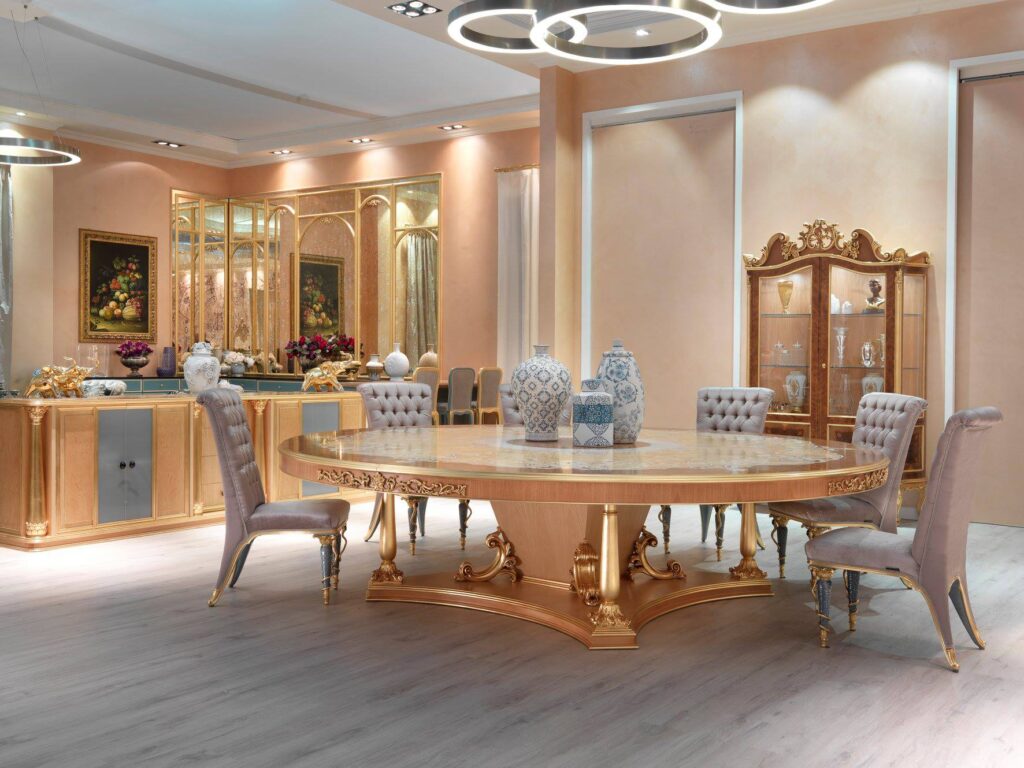
Dining Room (example): 8–10 seat table + 8 chairs + vitrine + sideboard.
- Classic palette: dark walnut + neutral leather seats; silver leaf accents for sparkle.
- Tip: add a rug just larger than the table’s footprint with chairs pulled out (usually +60–70 cm each side).
Bedroom (example): king bed + 2 nightstands + dresser + upholstered bench.
- Classic palette: ivory lacquer + gilded highlights; velvet headboard in a deep neutral.
- Tip: scale headboard to 2/3 of wall height for a “boutique hotel” read.
These bundles help you compare apples to apples in the catalog and understand how adding marquetry, leather grades, or a larger footprint affects the bottom line.
Styling, Fabrics & Palettes That Always Work
- Two neutrals + one metal: ivory + walnut + antique gold is timeless; charcoal + black lacquer + silver leaf feels modern.
- Quiet pattern, rich texture: moiré, ottoman weaves, or cut velvets add depth without visual noise.
- Crystal and silk: a small chandelier or silk lamp shade lifts the entire room with minimal spend.
- Mirror lightly: gilded mirrors amplify glow; keep shapes simple if frames are ornate.
- Rug rule: let front legs sit on the rug to anchor groupings; tone with the upholstery, not the wall.
Authenticity & Lead Times
Buy from authorized dealers only. Ask for model codes, finish samples, and a stamped order confirmation. Lead times vary by finish and season; bespoke carving or leaf work extends timelines. If a quote seems too low, it probably compromises on finish process or frame construction—both are where longevity lives.
Care, Delivery & After-Sales
- Placement: keep high-gloss and leaf finishes out of direct sun.
- Cleaning: dry cloth for frames; professional care for silks and velvets.
- Delivery: request white-glove installation; protect floors and inspect packing on arrival.
- Documentation: save finish and fabric codes; they’re vital for future additions or repairs.
More Classic Brand Guides
- Classic Brands
- See also: Turri furniture price catalogs
- Home Design
FAQs
Can I get the Asnaghi price catalog as a PDF?
Yes. Authorized dealers share the latest PDF on request so you can compare models, finishes, and list prices.
Why do two similar sofas have very different prices?
Finish and carving hours. A gilded, deeply carved frame with premium fabric can price far above a simpler lacquered version.
Is customization worth it?
If scale or palette must match architectural details, customization saves regret. Expect longer lead times and higher cost.
How do I keep the look timeless?
Choose classic frames and limit color to textiles. You can refresh fabrics as trends shift while frames remain heirloom.