
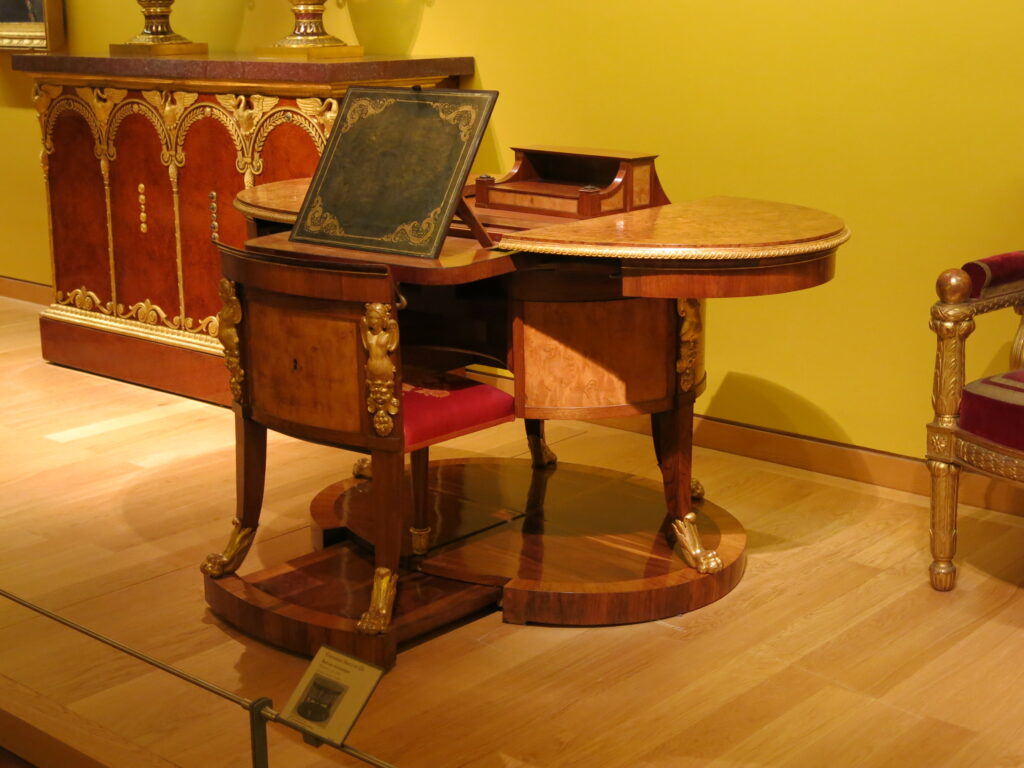
From Napoleon’s Mechanical Desk to Modern Table-to-Desk Converters (2025): History, Design, Buying Guide & Smart-Home Trends
Discover how Giovanni Socci’s ingenious Napoleon Mechanical Desk (c.1810) connects with today’s table-to-desk converters. A flagship guide with history, design, buying tips, cost tiers, case studies, and modern smart-home trends.
Quick Answer
The Napoleon Mechanical Desk by Giovanni Socci (c.1810) was the first famous convertible workstation, folding chair, wings, and tools into a compact cabinet. In 2025, modern table-to-desk converters revive this idea with minimal designs, sustainable materials, and smart features (USB, lighting, cable-management), making them perfect for apartments and hybrid workspaces.
Napoleon’s Mechanical Desk: Origins
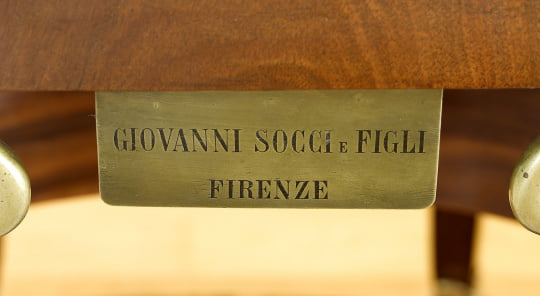
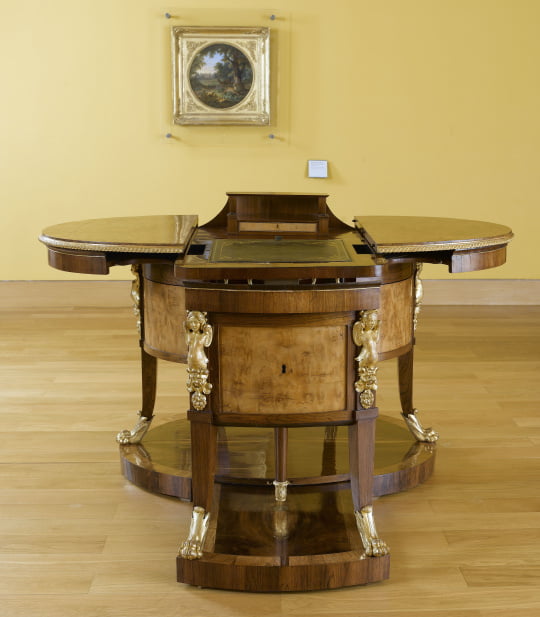
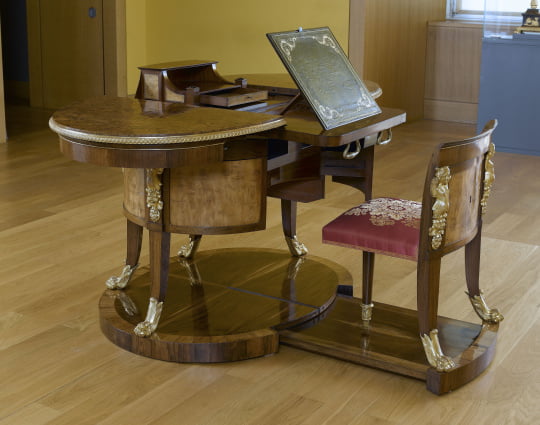
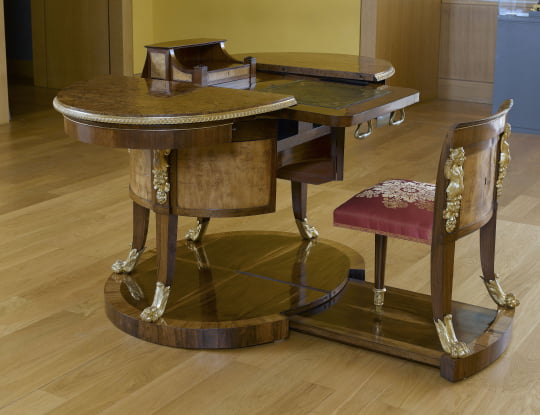
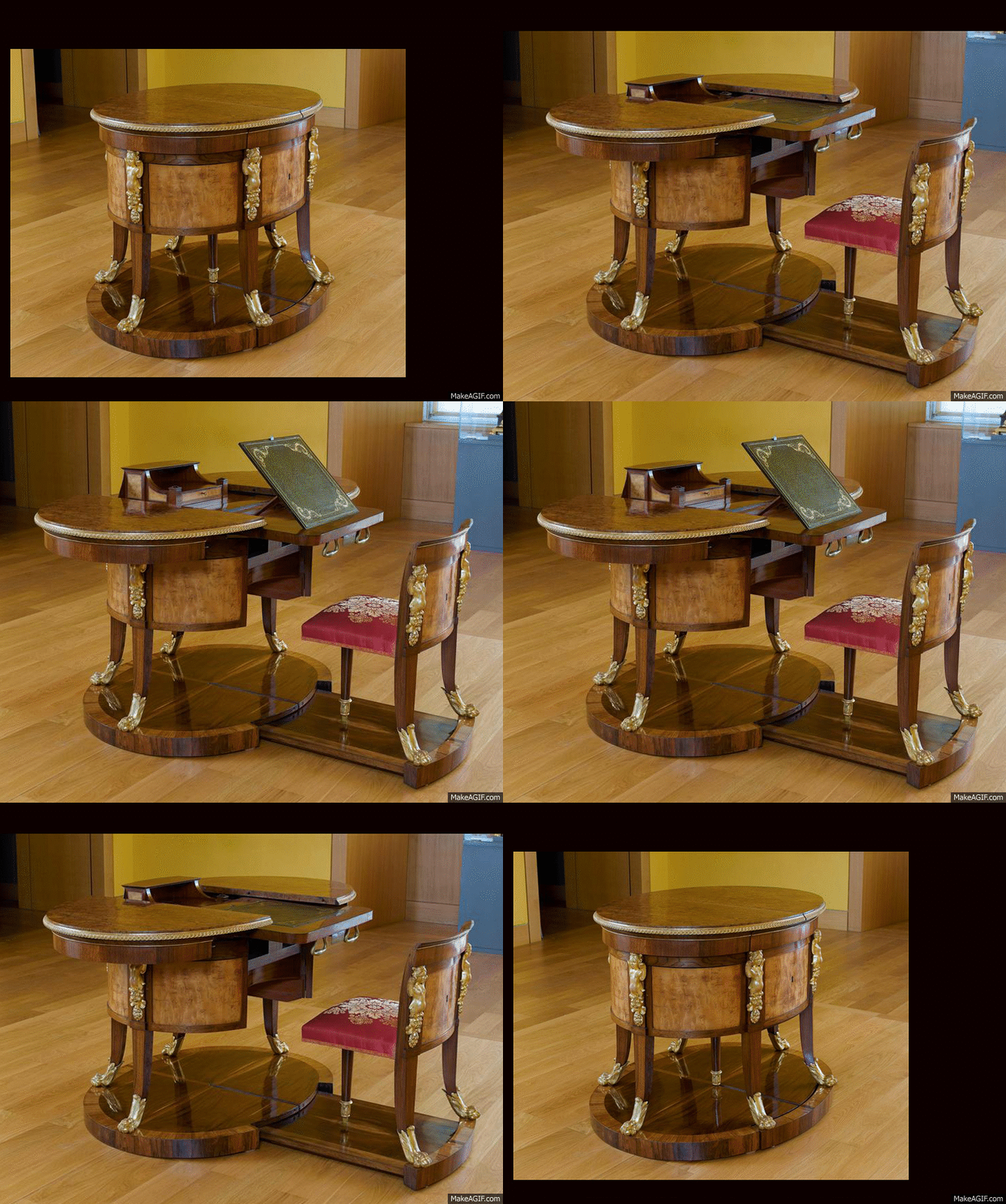
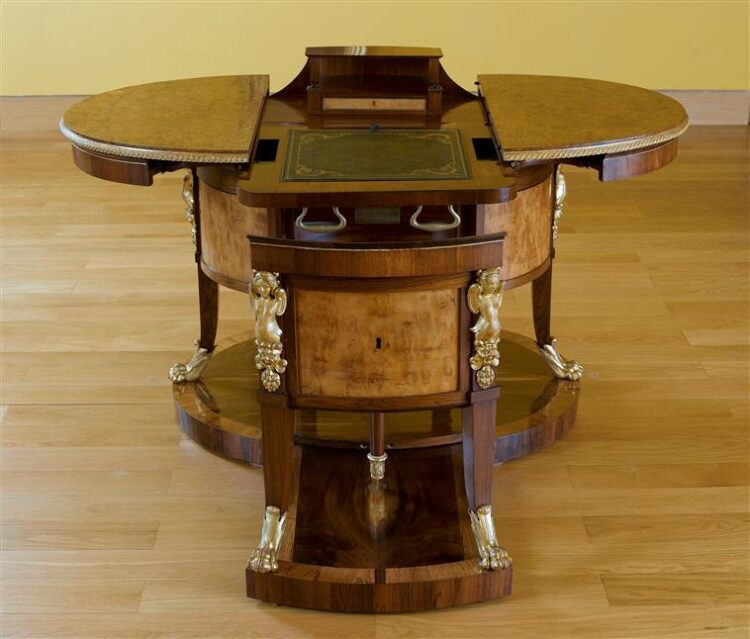
Between 1807–1810, Florentine artisan Giovanni Socci created the Napoleon Mechanical Desk, also known as a Bureau mécanique. The desk journeyed through the Pitti Palace, the Baciocchi Palace in Bologna, and French collections such as Malmaison, Fontainebleau, and the Louvre. Its purpose? A compact, multifunctional cabinet that symbolized ingenuity, prestige, and practicality.

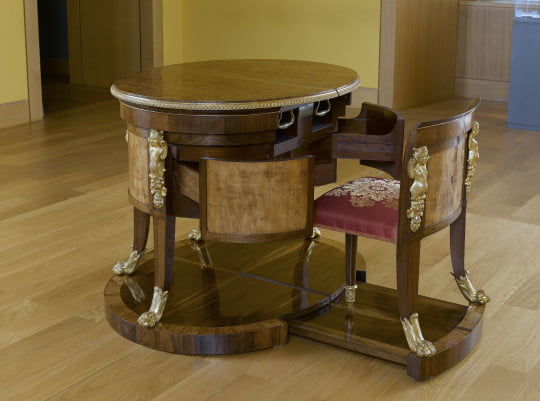
How the Historic Mechanism Worked
The desk used sequential mechanics: pulling the integrated chair collapsed wings, lowered the writing board, and tucked in inkwells. Luxury materials included mahogany, gilt bronze, and goatskin. It wasn’t just decorative—it was a daily-use innovation.

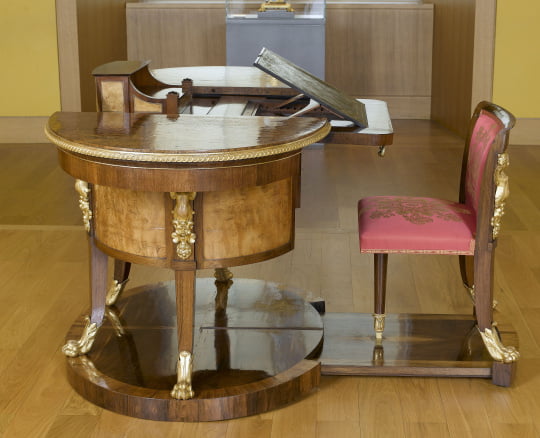

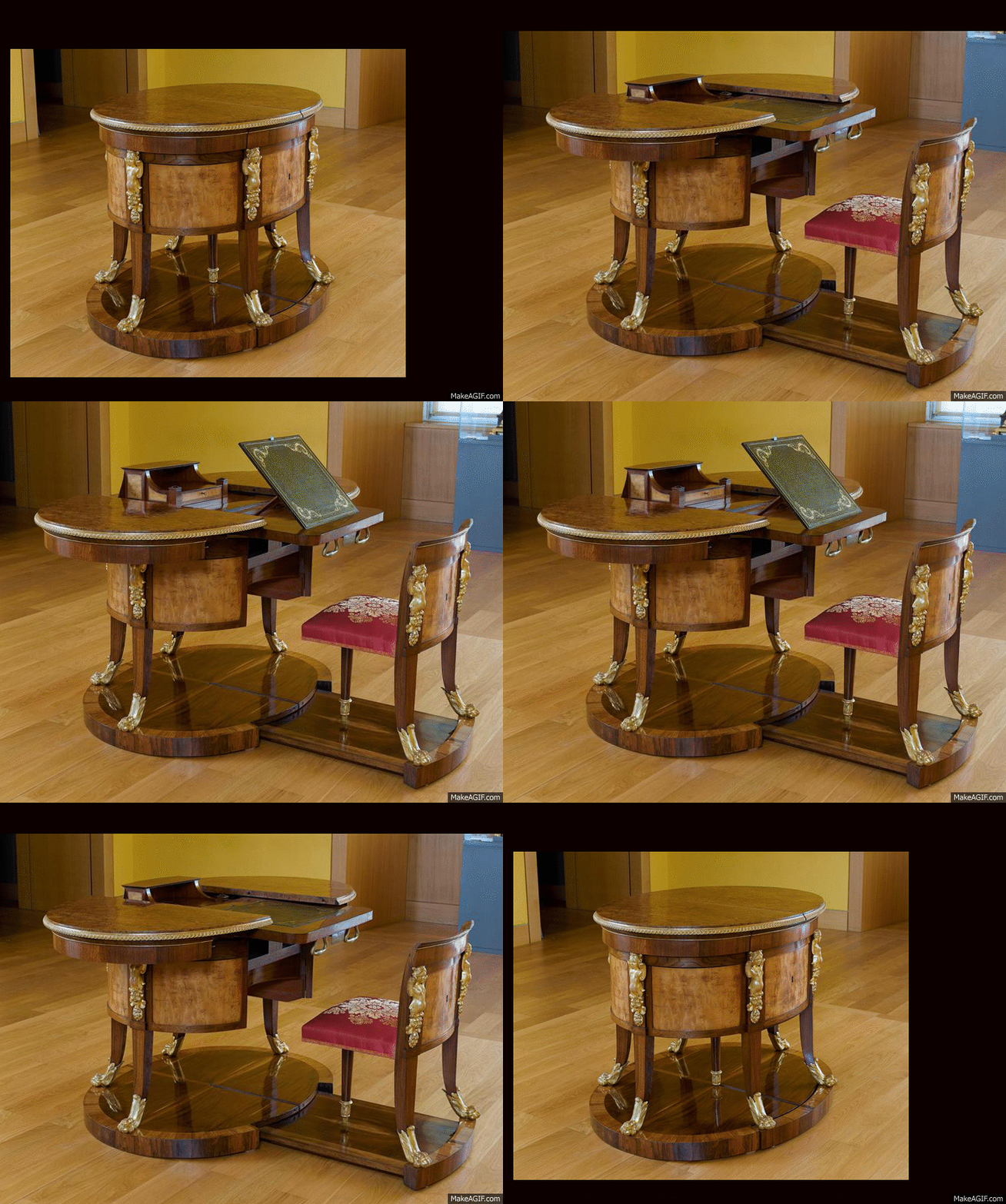
Gallery: Historic Masterpieces




Modern Table-to-Desk Converters (2025)
In 2025, converters echo Socci’s genius with minimalist lines, recycled wood, powder-coated steel, and optional smart tech: USB hubs, wireless charging, LED lighting. They turn small apartments into flexible live-work spaces.

Buying Guide 2025
When choosing a table-to-desk converter, consider:
- Size & Depth: 55–65 cm depth for laptops; 70–80 cm for monitors.
- Weight Capacity: 15–25 kg minimum for hybrid work setups.
- Cable Management: Look for trays, grommets, and hidden channels.
- Smart Features: Wireless charging, LED lighting, USB hubs.
- Materials: Recycled wood, powder-coated steel for durability.
Cost Tiers & Value
| Tier | Price | Features |
|---|---|---|
| Budget | $200–$400 | Basic build, lighter frames |
| Mid-Range | $400–$900 | Sturdier, optional USB/lighting |
| Luxury | $900–$2,000+ | Premium woods, silent motion |
Comparison: Antique vs Modern
| Feature | Napoleon Desk (1810) | Modern Converter (2025) |
|---|---|---|
| Materials | Mahogany, bronze | Recycled wood, steel |
| Mechanism | Manual folding | Gas assist / modular |
| Value | Museum collectible | $200–$2000 |
FAQs
What is the Napoleon Mechanical Desk?
An 1810 masterpiece by Giovanni Socci that folds chair, wings, and tools into a cabinet.
What do modern converters cost?
From $200 budget options to $2,000+ luxury pieces.
Which rooms are best?
Small apartments, bedrooms, dining rooms doubling as offices.
Are they eco-friendly?
Yes—many brands use recycled woods and sustainable finishes.