

🌱 Redefining Luxury: Why Sustainability Is the New Chic
Imagine stepping into a home where every surface tells a story. The dining table isn’t brand new; its planks once sheltered a barn from prairie winds. The kitchen counters shimmer with flecks of antique green glass, each piece the remnant of a recycled bottle. Soft textiles drape the sofa—linen blended with organic cotton and dyed with natural pigments—while a rug woven from discarded fishing nets grounds the room. This isn’t a dystopian future; it’s now. More than ever, designers and homeowners are turning away from disposable decor and toward sustainable chic, blending eco‑conscious choices with sophisticated style. Why? Because the materials we choose carry meaning. They link us to history, reduce waste and invite a sense of warmth that manufactured pieces often lack. Luxury isn’t about being new or expensive; it’s about the story, the craftsmanship and the feeling that your space is making the world a little better.
The shift toward sustainability is not a fleeting trend; it’s a design imperative. Industry observers note that reclaimed wood, recycled glass and ethically sourced textiles are at the forefront of interiors for 2025. Fast furniture—the kind that breaks after a season—is out, replaced by thoughtfully crafted pieces meant to last generations. This sustainable approach goes beyond aesthetics: it reduces demand for new resources, cuts down on landfill waste and supports artisans who work with their hands. It’s also deeply personal. Each reclaimed board has knots and nail holes that speak of a previous life, each vintage tile carries the patina of time, and every textile woven from recycled fibers represents a commitment to preserving our planet.
- 🌍 Lower environmental impact: Reclaimed materials reduce the need for new resources, decreasing deforestation and pollution.
- 🪵 Unique character: No two pieces of reclaimed wood are alike—knots, dents and color variations add authenticity and warmth.
- 💡 Creative reuse: Salvaged beams become shelves, vintage windows morph into cabinet doors and old tiles gain new life as mosaic backsplashes.
- 🛋️ Support for artisans: Buying handcrafted furniture from reclaimed materials sustains local craftspeople and celebrates traditional techniques.
“Reclaimed wood combines the ancient with the contemporary,” notes one designer. “When paired with energy‑efficient lighting and eco‑friendly fabrics, it becomes a form of eco‑luxury that warms any interior.”
🏚️ Adaptive Reuse: Breathing New Life into Old Bones
One of the most inspiring facets of sustainable chic is adaptive reuse. Picture a century‑old factory, its brick walls battered by time and weather. Instead of demolition, architects see potential. They preserve the original masonry, polish the concrete floors, repurpose steel beams as stair railings and insert floor‑to‑ceiling windows to flood the space with light. The result? A loft that marries industrial grit with modern comfort. Adaptive reuse is about honoring the bones of a building while adapting it for contemporary life. It reduces waste, preserves architectural heritage and fosters a sense of connection to the past. Whether you’re converting a warehouse into a gallery or turning an old barn into a guesthouse, the possibilities are as endless as your imagination.
This philosophy also translates to small renovations. Maybe you inherit your grandmother’s china cabinet, complete with glass panes and ornate handles. Instead of relegating it to the attic, you refinish the wood, replace brittle glass with tempered panels and transform it into a statement bar. Or you salvage a door from an abandoned farmhouse, sand it down, add modern hardware and use it as a sliding barn door between your kitchen and pantry. Adaptive reuse encourages us to see the beauty in what already exists and to integrate those pieces into our daily lives.
- 🧱 Repurpose architectural elements: Turn old columns into table bases or antique doors into headboards.
- 🏢 Preserve original finishes: Exposed brick, worn concrete or weathered wood provide texture and history that new materials can’t replicate.
- 🔧 Blend modern and old: Pair industrial details with sleek lighting or contemporary art for contrast.
- 💚 Reduce construction waste: Reusing existing structures and materials minimizes debris sent to landfills.
“Adaptive reuse isn’t just about aesthetics—it’s a way to preserve architectural heritage and reduce waste,” explains a sustainability expert. “Repurposing what we have honors history and supports a circular economy.”
🪟 Warmth and Texture: The Allure of Reclaimed Wood
Perhaps the star of sustainable chic is reclaimed wood. It’s beloved for good reason: it brings color, charm and warmth to any room. Planks pulled from historic barns or factories carry a patina that new lumber simply can’t match. These boards might showcase weathered gray tones or rich honey hues, depending on where they spent their previous life. Nail holes, saw marks and slight imperfections serve as reminders of their journey. Designers are using reclaimed wood everywhere—from floors and ceilings to cabinets and custom furniture. A wall clad in rough‑hewn boards becomes a focal point in a minimalist living room, while a live‑edge dining table invites guests to trace its organic curves.
The versatility of reclaimed wood extends beyond aesthetics. It’s durable and naturally resistant to warping because it has already lived through decades of seasonal changes. Its dense grain also offers acoustic benefits, absorbing sound and creating a cozy ambiance. And when paired with modern elements like stainless steel appliances or glass railings, reclaimed wood becomes a bridge between old and new, adding depth to contemporary spaces.
- 🎋 Statement walls: Cover one wall with reclaimed planks to add warmth and character to a modern living room.
- 🪑 Furniture with soul: Commission or craft a table, bench or shelving unit from old floor joists or barn beams.
- 🧴 Mantels and beams: Use thick, aged timbers as mantels above fireplaces or as ceiling beams to draw the eye upward.
- 🚪 Doors and cabinetry: Install reclaimed wood cabinets in kitchens or bathrooms to introduce rustic elegance.
“Homeowners can use reclaimed planks anywhere—ceilings, walls, cabinets—because each piece is unique,” says an interior consultant. “It’s not just about the look; it’s about the story it tells and the biophilic connection it fosters.”
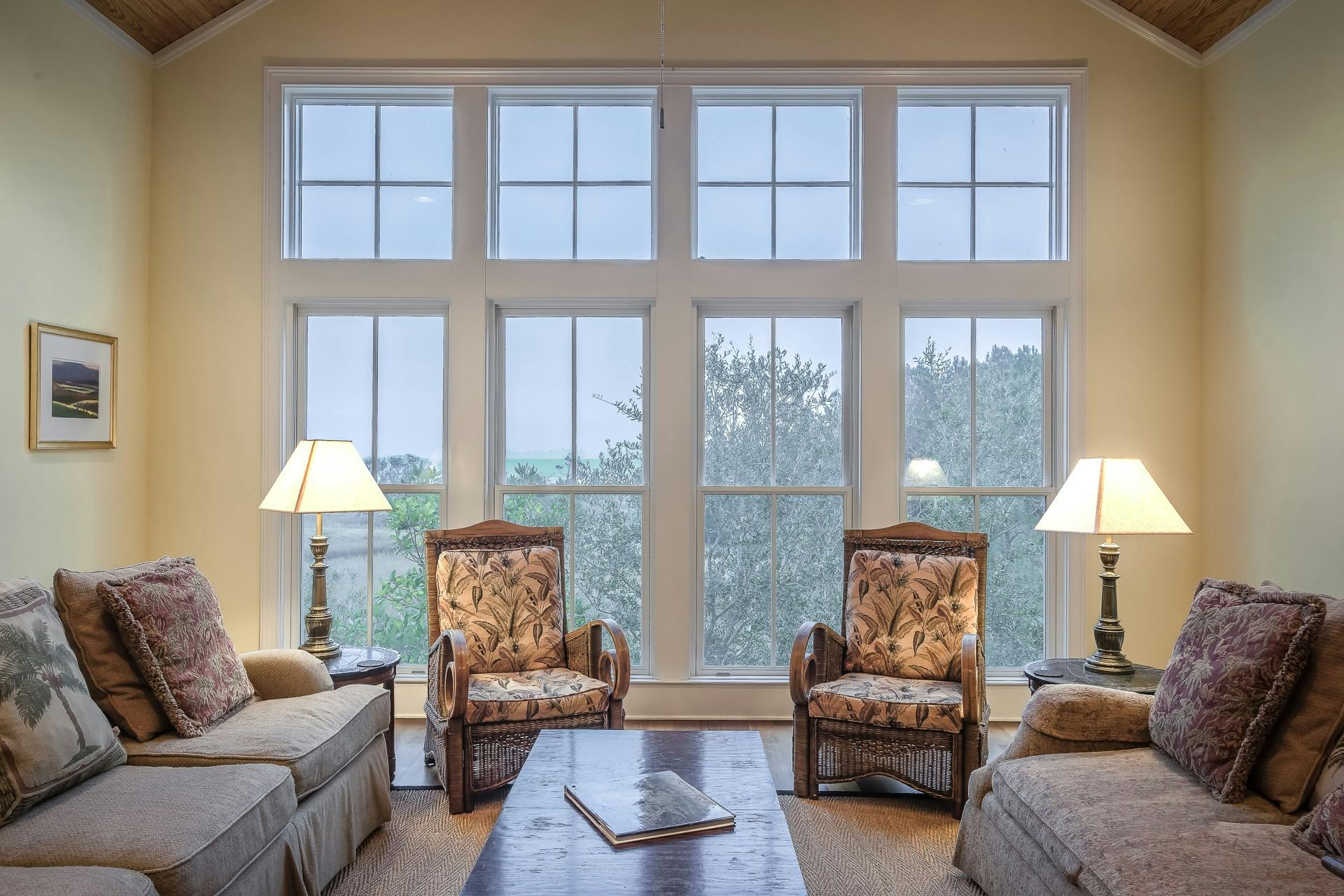
The light‑filled living room above demonstrates how mixing rattan chairs and neutral upholstery with a reclaimed wood coffee table creates an inviting space. Notice how the generous windows embrace natural light, while the organic textures ground the room. This balance between airy openness and tactile warmth defines the sustainable chic aesthetic.
💎 Recycled Glass & Ethical Textiles: Beauty with a Conscience
Wood isn’t the only material making waves. Recycled glass is reshaping countertops, tiles and decorative objects. When glass bottles are crushed and melted, they can be cast into gleaming surfaces reminiscent of semi‑precious stones. Imagine a kitchen island embedded with fragments of emerald, cobalt and amber glass, sparkling under pendant lights. Besides their beauty, these surfaces divert bottles from landfills and often require less energy to produce than new glass or stone. Recycled glass tiles likewise add shimmering, watery depth to bathrooms and backsplashes—perfect for those seeking an eco‑friendly alternative to ceramic or marble.
Textiles, too, are undergoing a sustainable transformation. Designers are ditching synthetic fabrics in favor of organic cotton, linen, hemp and even innovative fibers spun from recycled plastic bottles. These materials feel luxurious yet leave a lighter footprint. Vegan leather, derived from mushroom mycelium or pineapple leaves, offers a cruelty‑free alternative to traditional hides. Even dyes are going greener; plant‑based pigments and low‑impact processes replace toxic chemicals, meaning your cushions, throws and rugs contribute to a healthier indoor environment.
- 🧊 Recycled glass surfaces: Opt for countertops and tiles made from crushed bottles to add jewel‑like sparkle and divert waste.
- 🌿 Organic textiles: Choose linens, cottons and hemp fabrics certified by environmental standards like GOTS.
- 🍄 Vegan leather: Explore upholstery and accessories crafted from mushroom leather, cork or pineapple fibers.
- 🧶 Natural dyes: Support artisans who use plant‑based dyes and water‑saving processes for a healthier home.
By thoughtfully selecting materials, you not only reduce your ecological impact but also create an environment that feels healthier and more harmonious. Ethical textiles and recycled surfaces remind us that sustainability can be both beautiful and functional, offering luxe finishes without compromise.
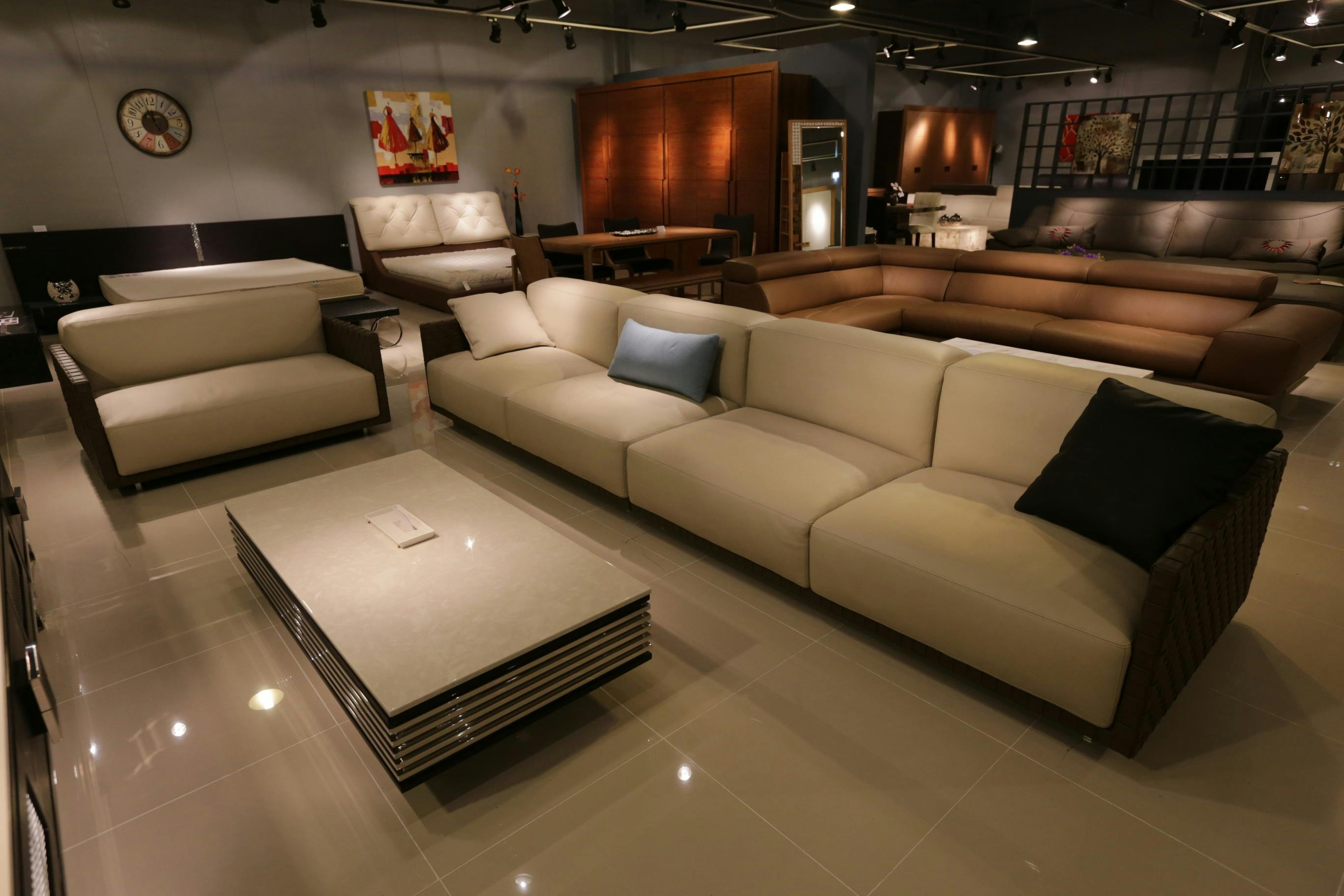
In the contemporary lounge above, a sleek stone coffee table is complemented by recycled glass decor and cushions covered in organic cotton. Neutral sofas ground the palette, while the subtle shimmer of glass accessories catches the eye. This interplay between soft and hard, old and new, demonstrates how sustainable choices can look effortlessly chic.
🏡 Tips for Introducing Sustainable Chic at Home
You don’t need to gut your home to embrace these principles. Small, considered changes can make a big impact. Start by assessing your belongings: what can be repaired, repurposed or refinished? Then, decide where investing in high‑quality reclaimed or eco‑friendly materials will bring the most joy and value. Remember, sustainability is as much about reducing consumption as it is about choosing better products. Before purchasing anything new, ask yourself: do you love it? Will it last? Does it add meaning to your space?
- 🔍 Thrift and antique hunting: Seek out pre‑loved furniture with good bones; reupholster or refinish pieces instead of buying new.
- 🧼 Choose non‑toxic finishes: Use paints and stains with low or no VOCs to protect indoor air quality.
- 🛠️ DIY projects: Transform wood pallets into planters, turn glass jars into pendant lights or craft shelves from reclaimed planks.
- 🧴 Layer textures: Mix coarse woods with smooth metals, soft textiles with recycled glass for a rich sensory experience.
Beyond materials, consider the energy and water your home consumes. Install LED bulbs, invest in a high‑efficiency HVAC system, upgrade to water‑saving fixtures and incorporate plants that purify the air. Sustainable chic extends beyond what you can see; it’s a holistic approach to living more gently on the earth.
🌿 A Future Rooted in the Past
Sustainable chic isn’t about sacrificing style for ethics—it’s about discovering that ethical choices can enhance style. By embracing reclaimed materials, adaptive reuse and eco‑friendly fabrics, you create rooms that feel lived in, loved and purposeful. These choices aren’t just trends; they represent a deeper shift in how we design and inhabit our homes. When we choose a weathered beam over a new plank or a recycled glass countertop over quartz, we acknowledge that beauty and sustainability are intertwined.
As you embark on your own sustainable design journey, remember that every choice counts. Start small, and soon you’ll notice a ripple effect: you’ll seek out artisans instead of mass retailers, you’ll cherish vintage finds and you’ll feel more connected to the spaces you inhabit. The path to a sustainable home is as rewarding as it is impactful—because in nurturing your environment, you nurture yourself.
Discover Eco‑Friendly Décor Ideas Join Our Sustainable Living Community
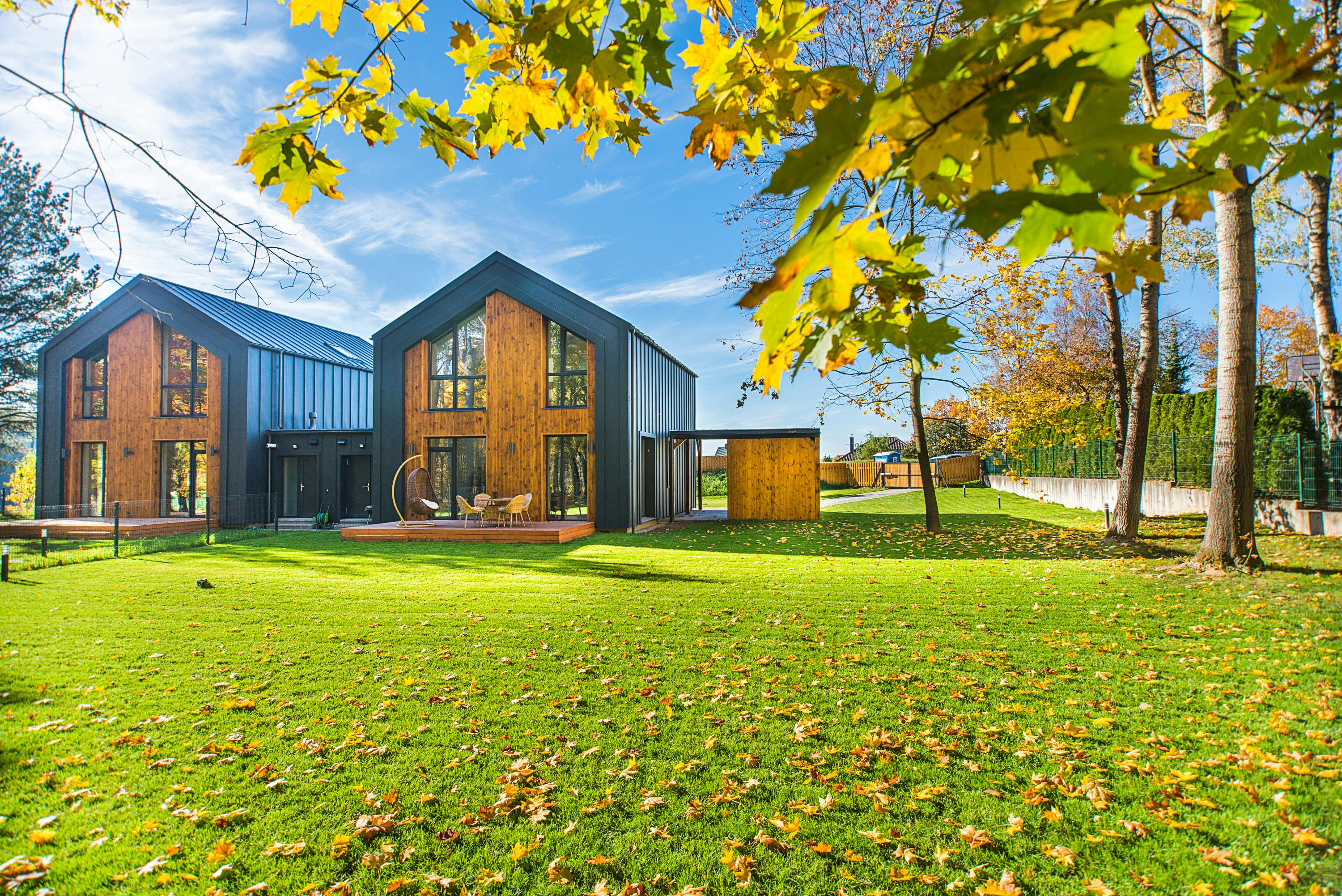
If this home made you feel something — peace, joy, or inspiration — you’re not alone. Homes like this remind us that beauty doesn’t have to be loud. It can be quiet, intentional, and full of love.
📲 Follow us on Facebook, TikTok, Instagram, and Pinterest for more dream homes like this. And don’t forget to share this post with someone who needs a breath of fresh air.
Inspired to give your home an eco‑friendly makeover? Share your sustainable transformations with us using #Classy55Sustainability and follow us on Instagram and Pinterest for daily green living ideas. Together, we can build homes that are as good for the planet as they are for our souls.