
Transformative Interior Design Trends for 2025
Introduction
Interior design in 2025 is a celebration of both technology and tradition. After years of minimalist dominance, designers are embracing deeper colours, handcrafted pieces and integrated smart tech. At the same time, the movement toward wellness and sustainability is strengthening, pushing homeowners to choose materials and layouts that look beautiful and feel good. This article explores a curated selection of trends predicted by industry experts, including Decorilla’s 2025 forecast, to help readers update their homes with confidence and a personal touch.
Discreet Tech: Invisible Intelligence
Smart homes are no longer about flashy gadgets; they’re about invisible intelligence that supports daily life. Decorilla notes that “technology continues to advance, and in 2025 it will become even more seamlessly integrated into our homes,” with hidden speakers, wireless charging furniture and voice‑controlled lighting blending effortlessly with decor. This trend allows homeowners to maintain a tidy aesthetic while enjoying the convenience of automation. Consider multifunctional pieces like nightstands with built‑in chargers or cabinets that conceal smart hubs and cables. A sleek wall sconce can house a Bluetooth speaker, and a mirror might double as a touch‑screen display. These discreet solutions keep rooms uncluttered and deliver all the benefits of a fully connected home.
Colour Drenched Rooms: Embracing Saturation
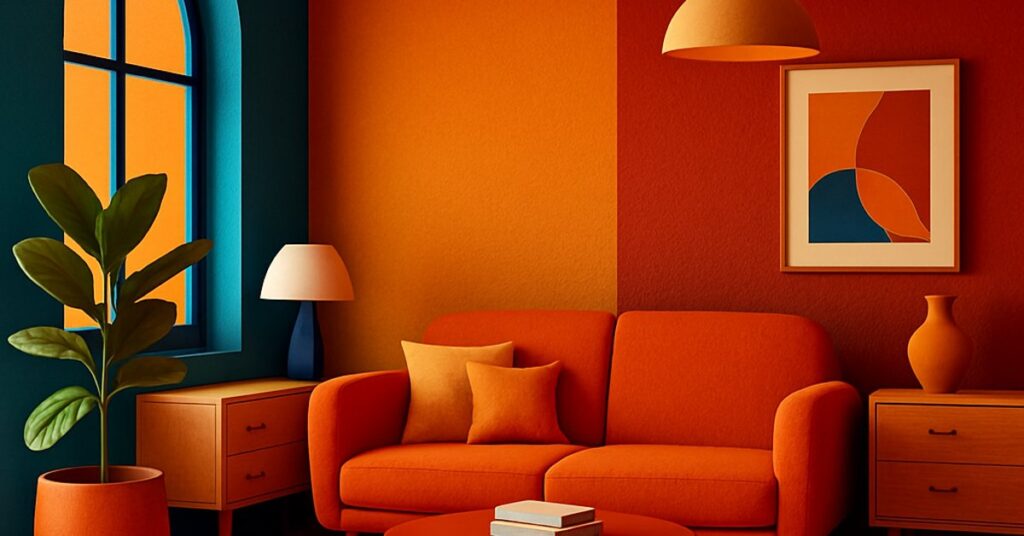
For years, neutral schemes have dominated interiors. In 2025, bolder palettes will take center stage. Decorilla reports that “bold, saturated colours are making a comeback” as designers explore monochromatic schemes featuring one hue in varying shades. These “colour‑drenched rooms” create a cohesive impact that feels both playful and sophisticated. To try the look, choose a favourite colour—deep blue, butter yellow or forest green—and apply it across walls, upholstery and accessories. Play with tone by combining matte walls with glossy trims or high‑gloss lacquered furniture. Use neutral accents, such as warm whites or natural wood, to keep the space balanced and avoid overwhelming the eye. Pastels can add softness, while metal accents like brass or bronze introduce a touch of luxury.
Sustainable, Eco‑Friendly Living
Environmental consciousness is no longer optional; it’s fundamental. “Sustainability remains at the forefront of interior design trends in 2025,” according to Decorilla. Designers advocate for vegan leather, non‑toxic finishes, recycled textiles and durable furniture that reduces the need for frequent replacements. Implement this trend by investing in locally made pieces crafted from responsibly sourced wood or recycled metals. Opt for energy‑efficient lighting and appliances, and reduce waste through vintage shopping and upcycling. Reclaimed wood beams or a salvaged stone countertop can add historical character while keeping materials out of landfills. Pair sustainable choices with a neutral palette to highlight natural textures like rattan, cork and jute. Plants and indoor gardens not only purify the air but also enhance a home’s connection to nature.
Sensorial Design: A Multi‑Sensory Experience
In 2025, design is about how a space feels, smells and sounds, not just how it looks. Decorilla describes a growing movement toward “sensorial design,” where textures, scents and lighting create immersive environments. This means layering soft rugs and tactile fabrics with gentle lighting and scents that evoke calm. For example, a living room might include a plush wool rug underfoot, a velvet sofa, linen curtains and a stone coffee table. Meanwhile, diffusers with essential oils introduce subtle fragrances like lavender or eucalyptus. Integrated sound systems allow for personalized playlists or meditative music. Adjustable lighting controls mood—warm ambient light for relaxation, bright task lighting for reading. The result is a harmonious space that appeals to all senses and promotes well‑being.
Casual Comfort: Furniture Designed for Relaxation
Designers are prioritising comfort over formality, making homes more inviting than ever. The Decorilla report notes that “oversized sofas, deep‑seated chairs and rounded edges are key elements” of the casually comfortable furniture trend. This style blends practicality and aesthetics, replacing stiff seating with cushioned pieces designed for lounging. Consider modular sectionals that encourage lounging and conversation, or armchairs with generous proportions. Slipcovers offer versatility and easy cleaning, ideal for high‑traffic living areas. Curved silhouettes on sofas, coffee tables and lamps soften the room’s lines and create a welcoming atmosphere.
Vintage & Retro Influences
Retro design is back—this time with a modern twist. According to Decorilla, mid‑century and vintage pieces “infuse contemporary homes with a sense of history and personality”. Incorporate this trend by mixing iconic mid‑century shapes with current colours and materials. For example, pair a 1970s curved sofa upholstered in rust velvet with modern matte black accent chairs. Seek out authentic pieces at thrift stores or antique markets; these one‑of‑a‑kind finds ground a space and reduce waste by reusing existing furniture. Use vintage artwork or heirloom textiles to add nostalgia, but update them with contemporary frames or simple styling for a fresh feel.
Maximalism & Pattern Mixing
Maximalism continues to gain momentum, celebrating layers of colour, pattern and texture. Decorilla explains that this trend emphasises bold designs, encouraging people to start with a neutral base and “gradually add layers of colour and pattern”. Pattern mixing is a natural extension of maximalism. When done thoughtfully, combining stripes, florals and geometrics creates a cohesive yet exciting environment. Maintain harmony by sticking to a limited palette and balancing large‑scale patterns with smaller motifs. In a living room, a vibrant oriental rug could anchor the space, while throw pillows and curtains introduce complementary patterns. Add metallic or wooden elements to ground the design, and leave portions of wall or floor space unpatterned for breathing room.
Artisanal & Handcrafted Pieces
Handcrafted decor adds soul and authenticity. Decorilla highlights the appeal of “artisanal and handcrafted items” in an era of mass production. Bespoke ceramics, woven baskets and hand‑carved furniture bring warmth to modern interiors. These pieces also support local artists and sustainable practices, making them an ethical choice. Incorporate artisanal goods as focal points: a hand‑thrown vase on a dining table, a hand‑tufted rug in a living room, or a custom wood headboard in a bedroom. For balance, pair handcrafted items with more minimal, mass‑produced pieces; this contrast highlights the uniqueness of the artisanal objects.
Adaptive Reuse & Reclaimed Materials
Sustainability encourages creative reuse. Adaptive reuse involves repurposing old buildings or furniture, “breathing new life into existing structures”. For homeowners, this could mean turning an antique dresser into a bathroom vanity or using reclaimed barn wood for a feature wall. Decorilla suggests using reclaimed materials to reduce waste and preserve heritage. This approach offers character and history, bringing depth to modern spaces. At the architectural scale, converting industrial lofts into residences or warehouses into creative offices can yield stunning results. When reusing materials, celebrate imperfections—scratches and patina tell a story.
Natural Stone & Statement Lighting
Natural stone brings earthiness and longevity. Decorilla notes that marble, granite and slate “enhance the visual and tactile experience of a space,” pairing beautifully with warm woods. Stone accent walls, countertops and flooring add texture and sophistication. Meanwhile, statement lighting is more than functional; it acts as artwork. Modern fixtures—from oversized pendants to sculptural sconces—become focal points that set the tone for an entire room. Layered lighting is essential: combine ambient, task and accent lights to highlight architectural features and create different moods.
Jewel Tones, Black Accents & Warm Metallics
Colour trends for 2025 extend beyond saturation. Rich jewel tones like emerald green, sapphire blue and amethyst purple “infuse rooms with a sense of luxury and opulence”. Balanced with neutrals and metallic accents, these hues add drama without overwhelming. Black accents are also popular: Decorilla notes that “black is making a bold statement as an accent colour,” creating contrast and anchoring a design. A matte black wall or coffee table can ground a space, while reflective surfaces prevent the dark colour from feeling heavy. Finally, warm metallics—gold, bronze and copper—bring a touch of luxury and sophistication. Use them sparingly for hardware, lighting and decorative objects to catch the eye and complement both jewel tones and darker hues.
Conclusion: Harmonising Technology, Comfort and Personality
The interior design trends of 2025 demonstrate that homes should be personal sanctuaries that reflect individual tastes and values. Discreet technology enhances daily life without cluttering it. Colour‑drenched rooms and jewel tones spark joy, while eco‑friendly materials and handcrafted pieces speak to sustainability and authenticity. Sensorial elements and comfortable furniture invite relaxation, and adaptive reuse honours history. Maximalism and pattern mixing encourage creativity and self‑expression. Natural stone, statement lighting and metallic accents add depth and drama. Together, these trends harmonise functionality with beauty, ensuring that each space is unique. Whether you’re renovating a single room or planning a whole‑home makeover, these ideas can guide you to create a stylish, sustainable and deeply personal home.