

Introduction
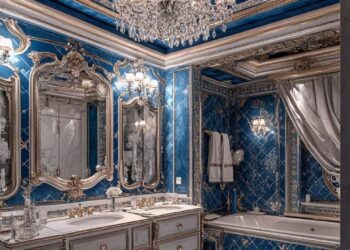
The world of interior design never stands still. Each year sees a mix of new ideas and revived classics shape how we live, relax and entertain. The 2025 landscape is particularly diverse – designers are blending cozy minimalism with exuberant maximalism, sustainable materials with playful color palettes and timeless craftsmanship with futuristic forms. Below is a deep dive into some of the most talked‑about trends for 2025 and how you can use them to create inviting, functional and stylish spaces.
Cozy Minimalism
Minimalist interiors remain popular but they are evolving into warmer, more inviting spaces. The so‑called “Japandi” style, a fusion of Japanese and Scandinavian aesthetics, continues to be influential. Clean lines and neutral palettes are softened with organic textures – think bamboo furniture, neutral‑toned cushions and warm lighting. This approach creates serene, uncluttered rooms that feel comfortable rather than austere. Decorators suggest adding soft textiles and natural light to enhance well‑being and using bamboo or rattan pieces for an eco‑friendly touch./image
Texture on Walls and Ceilings
Flat, white walls are on the wane. Designers are embracing textured finishes such as wood paneling, wallpapered ceilings and decorative plaster to add depth and character. Ceiling treatments are also becoming statement features, with patterned wallpaper or decorative beams creating visual interest overhead. These textures break up large surfaces and bring a sense of craftsmanship to modern interiors. When working with texture, balance is key – pair ornate walls with simpler furnishings and use color to unify the elements.
Wellness at Home
Homeowners increasingly want spaces that support their well‑being. Dedicated yoga studios, meditation nooks and spa‑like bathrooms are becoming common. Designers recommend incorporating natural light, indoor plants and calming colors to foster relaxation. Lighting controls and scents are also part of this sensorial design approach; diffusers with essential oils, soft rugs and soothing music can transform ordinary rooms into immersive sanctuaries. Wellness spaces aren’t limited to bathrooms – they can be integrated throughout the home by creating cozy corners that encourage mindfulness.
Integrated Indoor–Outdoor Living
The boundary between indoor and outdoor spaces is fading. Designers are creating seamless transitions by extending living areas onto patios and balconies, complete with outdoor kitchens, comfortable seating and weather‑resistant decor. Homeowners want more than a simple grill; pizza ovens, smokers and Argentinian‑style gaucho grills are becoming popular in outdoor cooking areas. When planning integrated spaces, use similar materials and color palettes inside and out to maintain flow, and invest in durable furniture that withstands the elements.
Sustainable and Eco-Friendly Materials
Environmental consciousness continues to shape design choices. Vegan leathers, non-toxic finishes and recycled or repurposed pieces are moving from niche to mainstream. Designers encourage investing in high-quality, sustainable furniture that lasts for years rather than chasing short-lived trends. Using natural materials like wood, stone and organic fabrics not only reduces environmental impact but also brings warmth and texture to a room. Sourcing handcrafted items from local artisans supports both sustainability and craftsmanship.
Sensorial Design
In 2025, interiors are designed to appeal to all the senses, not just vision. Sensorial design incorporates tactile surfaces, pleasant scents, ambient sounds and adjustable lighting to create immersive environments. Soft rugs, aromatic candles and dimmable lights help set the mood and can be tailored to different activities. Consider layering textures and using acoustic panels or fabrics to improve sound quality. Incorporate technology like smart lighting systems that adjust color temperature and brightness throughout the day to enhance comfort and wellbeing.
Casual Comfort
Furniture in 2025 is all about laid-back luxury. Oversized sofas, deep-seated chairs and rounded edges offer practicality without sacrificing style. Designers recommend choosing pieces with slipcovers for an easygoing look that is also easy to clean. The trend aligns with predictions that rounded furnishings – circular tables with cylindrical legs, bulbous sofas and oblong mirrors – will be everywhere. Curvaceous designs echo biomorphic modernism, a style inspired by fluid forms in nature that provides visual flow and a soothing contrast to strict lines.
Retro Revival and Intentional Clutter
Nostalgia is strong this year. Vintage and retro influences, particularly from the mid-20th century, are making a comeback. Decorators are mixing antique and modern pieces to tell a story. Clutter is no longer taboo; the “intentional clutter” trend encourages curation of new and old, gifted and found items to create welcoming, lived-in spaces. According to an annual trend survey of interior designers, 81% of designers sourced vintage pieces from the 1920s to 1990s in 2024. The key is balance – group collections thoughtfully, and contrast ornate vintage items with clean modern lines.
Maximalism and Pattern Mixing
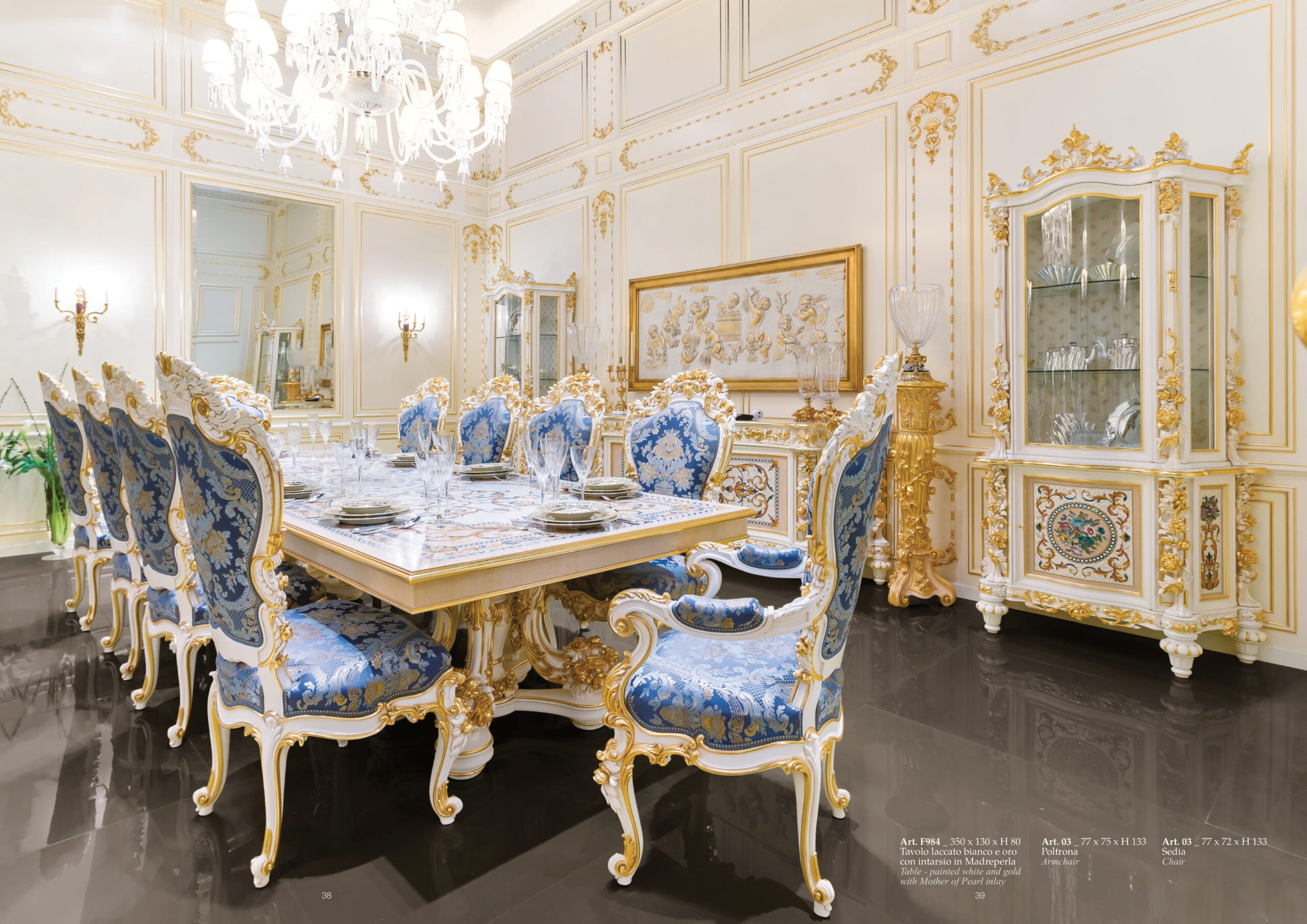
At the opposite end of the minimalist spectrum is maximalism. This approach celebrates abundance, layering bold colors, varied patterns and rich textures. Pattern mixing continues to gain momentum; combining florals, stripes and geometrics creates a visually stimulating space when tied together with a cohesive color scheme. Designers recommend limiting your palette to three or four colors keep the look harmonious. Don’t be afraid to add a statement wallpaper, patterned ceiling or patterned floors – just ensure
there is a neutral base to avoid overwhelming the senses.
Craftsmanship and Hand-Made Pieces
In an era of mass production, handmade items are highly valued. Artisanal ceramics, bespoke furniture and hand-painted decor bring a sense of individuality and authenticity. Trend reports highlight the surge in hand-painted furniture; searches for “hand painted furniture” on Pinterest increased significantly in recent years. On social media, DIY enthusiasts are transforming tired cabinets and bookshelves into colorful statement pieces. Incorporate a few handcrafted items into a room to anchor the design and showcase craftsmanship. They can be paired with mass-produced pieces to highlight their uniqueness.
Statement Entry Tables
First impressions matter. In 2025, memorable entry tables – often crafted from marble, reclaimed wood or sculptural metal – are becoming focal points. With fewer people moving due to high interest rates, homeowners are upgrading individual furniture pieces in their existing homes rather than redecorating entire rooms. A distinctive entry table paired with an oversized mirror or unique lighting sets the tone for the rest of the home. Look for sinuous, natural shapes that will stand the test of time.
English-Style Kitchens
Design predictions point to a revival of English-style kitchens. These cozy spaces combine rich wood cabinets with historical paint colors like moody blues and deep greens and feature natural countertop materials such as soapstone and butcher’s block. Design elements like range alcoves, wood ceiling beams and a collected look give the impression that the room evolved over time. For home cooks who love character, English-style kitchens offer warmth and charm with modern functionality.
Arches, Alcoves and Rounder Details
Architectural curves are appearing throughout homes. Rounded furnishings, arched doorways and windows, and circular tables soften harsh angles and make rooms feel more welcoming. Consider adding arches to doorways, niches and cabinets, or using arched mirrors and headboards for a gentle scalloped silhouette. Kitchen range alcoves – recessed areas flanked by countertops and side walls – create focal points and provide a natural frame for striking backsplashes. Similar curved details in furniture and accessories echo the broader trend toward biomorphic modernism.
Woven Textures and Warm Wood
Texture isn’t limited to walls. Designers are adding woven and mesh details to cabinet fronts, bathroom vanities and window treatments to break up large surfaces and provide warmth. Natural woven materials like cane or rattan soften hard edges and complement warm neutrals. Wood-infused architectural features – beams, paneling and trim in off-whites, creams and earthy browns – add warmth and create a cozy atmosphere. Combining these elements with organic colors results in spaces that feel grounded and inviting.
Small-Space Solutions: Wet Rooms and Narrow Baths
Luxurious bathrooms aren’t just for large homes. Wet rooms, which combine a shower and tub in a single enclosure, are being adapted for narrow spaces. Placing a tub at the back of a long room with a separate shower in front creates a spa-like arrangement that feels more upscale than a standard shower–tub combo. For those seeking privacy, fully enclosed “shower rooms” offer a glass door leading into a sealed space that can incorporate steam, sauna functions, aromatherapy and chromotherapy lighting.
Layering Color, Pattern and Texture Outdoors
Maximalism isn’t confined to interiors. Layering color, pattern and texture extends to outdoor spaces as well. Grooved wall and ceiling paneling in bold colors and patterned fabrics on drapery, rugs and furniture allow homeowners to express personality outdoors. Multiple outdoor cooking options – from pizza ovens to smokers – encourage gatherings and allow hosts to cook a variety of dishes for friends and family. When designing outdoor areas, mix durable fabrics, weather-resistant rugs and statement lighting to create an inviting extension of your indoor living space.
Conclusion
The 2025 interior design landscape invites both restraint and indulgence. You can embrace cozy minimalism with clean lines and natural materials or dive into maximalism with layers of color, pattern and texture. Whether you’re drawn to the warmth of an English-style kitchen, the sculptural appeal of biomorphic furniture, or the playful charm of hand-painted decor, this year’s trends offer endless inspiration. Remember that the best spaces reflect your personality and evolve over time – mix vintage pieces with modern finds, invest in quality craftsmanship and choose eco-friendly materials for a home that feels both stylish and sustainable.